

Key Takeaways
- Dental insurance coverage for specialized procedures is expanding, especially when medical necessity is established.
- Understanding your policy, advocating for coverage, and staying up to date on state and federal changes are essential for optimal health outcomes.
- Recent Medicare changes and new state laws are helping bridge the gap between dental and medical coverage.
- Advocacy and legislative efforts continue to address persistent gaps in coverage for medically necessary dental treatments.
While most people are familiar with basic dental benefits such as exams and fillings, far fewer understand the nuances of coverage for specialized dental procedures. These are often required in preparation for significant health events, such as major surgeries or treatment for chronic conditions. Learning when dental services become integral to overall healthcare and who is responsible for covering these costs can save patients time and money while preventing unexpected obstacles to necessary medical care. For example, knowing who is eligible for VA dental care can help veterans take advantage of their benefits for both routine and complex dental needs.
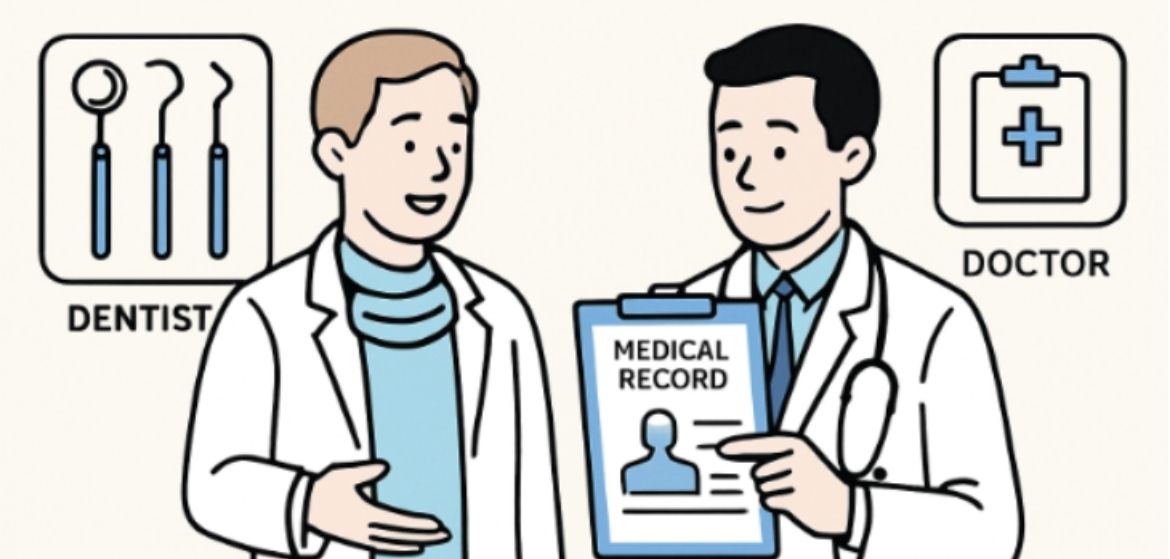
The intersection of dental health and broader medical care is not always clear in insurance documents, yet oral health can affect outcomes across many areas of treatment. For instance, some procedures, such as tooth extractions or periodontal treatments, may be prerequisites before starting therapies for cancer, undergoing heart surgeries, or receiving organ transplants. Whether coverage is available depends on factors like the nature of the health intervention and a patient’s specific insurance plan or public benefits eligibility.
Increasingly, public health policy and insurance design recognize that unresolved oral health issues may significantly worsen general health. As policymakers address these gaps, patients are seeing a gradual improvement in access to the dental services needed to support major medical treatments. This integration is especially vital when treatment delays or infections from untreated dental conditions could derail critical care.
Defining Special Procedures in Dental Care
Special dental procedures are treatments that extend beyond the routine scope of fillings, cleanings, or simple extractions. This includes advanced periodontal therapy, dental surgery, or reconstructive work required as a precondition or adjunct to major medical care. For example, prior to a heart valve replacement or an organ transplant, patients may be required to eliminate active oral infections or address existing dental disease to minimize risk during and after surgery. These steps aim to reduce the likelihood of life-threatening complications and ensure the success of the overarching medical procedure. According to the CDC, oral health is directly linked to overall health, making coordination between medical and dental providers essential for anyone with complex health needs.
Medicare’s Evolving Dental Coverage
Traditionally, Medicare separated dental and medical services, providing little to no dental coverage for enrollees. However, a substantial change effective January 1, 2024, marks new ground for beneficiaries. Medicare now covers select dental procedures deemed medically necessary for the success of certain medical treatments. For example, Medicare will now pay for some dental services required in connection with cancer treatments for the head and neck region. This marks a significant step toward integrating dental and medical care, recognizing that without appropriate dental intervention, the long-term outcome of major medical events may be compromised.
State-Level Initiatives Enhancing Coverage
Challenges in Dental Insurance Coverage
Advocacy for Comprehensive Dental Benefits
Efforts are underway nationally to address these persistent shortfalls. Advocacy organizations and lawmakers are backing proposals like the Ensuring Lasting Smiles Act, which would require insurers to cover comprehensive dental care for conditions resulting from congenital anomalies and birth defects. These actions are critical in closing the long-standing gaps that leave many without options when faced with medically necessary dental work. Advocacy continues to focus on ensuring that all patients—regardless of diagnoses or timing can access integrated dental and medical care when it is most essential.
Steps to Ensure Adequate Coverage
1. Review Your Insurance Policy
Take the time to carefully review your dental and medical insurance documents. Look for details on coverage for procedures that may be medically necessary, particularly those that support a broader health treatment plan.
2. Consult with Healthcare Providers
Talk openly with your dental and medical providers. Coordination between both can help determine whether a proposed dental procedure qualifies as medically necessary and how best to secure insurance approval before moving forward.
3. Advocate for Coverage
If your provider certifies a procedure as medically necessary but your insurer denies the claim, work with your healthcare team to file an appeal. Providing thorough documentation and collaborating with advocacy groups may increase the chance of overturning denials for eligible care.
Final Thoughts
Dental coverage for specialized procedures remains a complex and evolving topic, especially as the connections between oral and general health are increasingly recognized. By staying informed about policy changes, reviewing your benefits, and actively engaging with healthcare professionals, you can help ensure access to the dental care you need before, during, and after major medical interventions. As the landscape continues to change, proactive steps and ongoing advocacy remain pivotal in bridging the gaps and ensuring optimal health for all patients.