

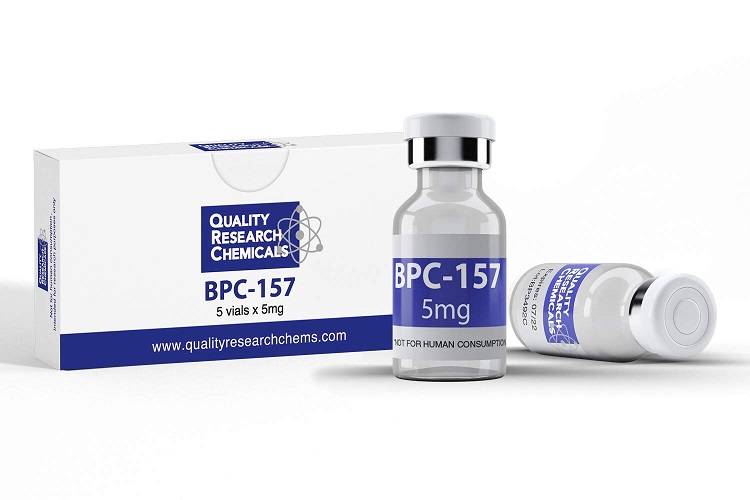
BPC 157 is a synthetic peptide derived from a protective protein naturally found in the human stomach. Its primary interest in research stems from its potential regenerative and healing properties. Scientists study bpc 157 for sale its ability to support tissue repair, reduce inflammation, and accelerate recovery in a variety of biological systems.
This peptide has been widely investigated in preclinical studies for its effects on tendons, ligaments, muscles, gastrointestinal tissue, and neural systems. Researchers value BPC 157 because it appears to stimulate cellular repair mechanisms while maintaining a low toxicity profile in controlled environments. Its versatility makes it an essential tool for exploring tissue regeneration, injury recovery, and protective biological mechanisms.
How Does BPC 157 Work in the Body?
BPC 157 functions by interacting with specific growth factors and signaling pathways involved in tissue repair. One of its notable mechanisms is promoting angiogenesis—the formation of new blood vessels—which enhances blood flow to damaged areas. Improved circulation helps deliver oxygen and essential nutrients to tissues, accelerating the healing process.
Additionally, BPC 157 may modulate inflammation and oxidative stress, protecting cells from further damage. By supporting these processes, it facilitates faster tissue recovery, strengthens connective tissues, and enhances overall resilience. These properties make it a highly valuable peptide in experimental research.
Why Is Premium Research-Grade BPC 157 Important?
Premium research-grade BPC 157 ensures high purity, consistency, and stability, which are crucial for reproducible scientific results. High-quality compounds minimize contamination and variability, enabling researchers to trust their experimental outcomes.
Using premium-grade BPC 157 allows precise dosing and reliable biological responses, which are critical for studies exploring tissue repair, inflammation modulation, and cellular regeneration. Consistency in compound quality is a cornerstone of reliable laboratory research.
What Are the Potential Benefits Observed in Research Studies?
BPC 157 has demonstrated a variety of potential benefits in preclinical studies:
- Tendon and Ligament Healing – Accelerates recovery in connective tissues.
- Muscle Repair – Promotes regeneration after strains or injuries.
- Gastrointestinal Support – Protects and repairs the lining of the stomach and intestines.
- Anti-Inflammatory Effects – Reduces localized inflammation in damaged areas.
- Neuroprotection – Supports nerve recovery and may reduce neural damage in experimental models.
These observed benefits highlight BPC 157 as a multifunctional research compound with applications across diverse biological systems.
How Is BPC 157 Administered in Research?
In laboratory settings, BPC 157 is commonly administered via injection, either subcutaneously (under the skin) or intraperitoneally (into the body cavity). These routes ensure accurate dosing and targeted delivery to the tissues of interest.
Some studies also explore oral administration due to BPC 157’s stability in gastric fluids, which is uncommon for peptides. Controlled dosing and careful monitoring are essential to accurately assess the peptide’s effects and ensure reproducibility in research models.
Can BPC 157 Support Injury Recovery?
Yes, BPC 157 is widely studied for its potential to enhance injury recovery. Preclinical research demonstrates accelerated healing in tendons, ligaments, and muscles. The peptide stimulates collagen production, angiogenesis, and cellular proliferation, all of which contribute to effective tissue repair.
It has also been observed to reduce fibrosis and scarring, which can improve long-term recovery outcomes. These regenerative properties make BPC 157 a valuable tool for understanding injury repair and tissue regeneration mechanisms in research studies.
How Does BPC 157 Contribute to Gastrointestinal Research?
BPC 157 shows promising effects in supporting gastrointestinal health. Studies indicate that it protects the mucosal lining of the stomach and intestines, reduces ulcer formation, and promotes tissue regeneration.
Its ability to improve blood flow and strengthen digestive tissues makes it a valuable compound for studying gastrointestinal injuries, inflammatory conditions, and protective mechanisms in the gut. Researchers use BPC 157 to explore potential therapeutic pathways for intestinal repair and overall gut health.
Is BPC 157 Safe for Laboratory Research?
In controlled laboratory studies, BPC 157 has demonstrated a favorable safety profile. Preclinical data suggest minimal toxicity and no severe adverse effects at standard experimental doses.
Researchers prioritize strict dosing protocols, careful observation, and documentation to maintain both reproducibility and safety. While studies indicate low risk in preclinical settings, further research is needed to fully understand potential long-term effects and applications in clinical contexts.
How Does BPC 157 Interact With Cellular Pathways?
BPC 157 affects multiple cellular pathways involved in healing and regeneration. It stimulates growth factors, including VEGF (vascular endothelial growth factor), promoting angiogenesis and enhanced blood supply to damaged tissues.
The peptide may also influence the nitric oxide pathway, contributing to improved circulation and tissue protection. By modulating these pathways, BPC 157 accelerates repair, strengthens cellular resilience, and supports recovery in diverse tissue types.
Can BPC 157 Be Used in Musculoskeletal Research?
Absolutely. Musculoskeletal repair is one of the primary areas of BPC 157 research. Studies indicate accelerated healing of tendons, ligaments, and muscle injuries, alongside reduced inflammation and enhanced functional recovery.
Researchers utilize BPC 157 to model tissue repair processes, explore molecular mechanisms, and test potential therapeutic strategies. Its ability to stimulate collagen synthesis and support tissue remodeling is particularly valuable in musculoskeletal studies.
How Does BPC 157 Support Neural Research?
Emerging evidence suggests that BPC 157 may have neuroprotective properties. It has been studied for its ability to support nerve regeneration, reduce neural inflammation, and protect neural tissues from injury-induced damage.
Although research is still preclinical, these findings indicate BPC 157 could become a valuable tool for studying nerve repair, neurodegenerative conditions, and neural recovery mechanisms. Its multifunctional nature makes it relevant for multiple areas of research.
What Are the Advantages of Premium BPC 157 for Researchers?
Premium BPC 157 offers numerous advantages in laboratory settings:
- High Purity – Ensures consistent and reliable results.
- Stability – Resistant to degradation under typical storage conditions.
- Low Toxicity – Minimal adverse effects in preclinical studies.
- Reproducibility – Reliable effects across multiple experimental models.
- Versatility – Applicable to musculoskeletal, gastrointestinal, and neural research.
These qualities make premium-grade BPC 157 a trusted research compound for rigorous scientific studies.
Can BPC 157 Be Studied in Combination With Other Compounds?
Yes, BPC 157 can be studied alongside other research compounds to explore synergistic effects on tissue repair, inflammation, and cellular recovery. Researchers may combine it with growth factors, peptides, or antioxidants to examine potential enhancements in healing processes.
Careful experimental design, controlled dosing, and precise monitoring are essential when conducting combination studies to ensure valid and reproducible results.
How Do Researchers Monitor the Effects of BPC 157?
Researchers use a variety of methods to assess the effects of BPC 157, including histological analysis, biochemical assays, imaging techniques, and functional evaluations. These tools allow precise measurement of tissue repair, angiogenesis, inflammation reduction, and cellular recovery.
Detailed monitoring ensures accurate conclusions, supports reproducibility, and confirms the safety and efficacy of the peptide in preclinical studies.
What Are the Limitations of Current Research on BPC 157?
While BPC 157 shows promise, most research remains preclinical. Human clinical trials are limited, so direct therapeutic applications are not fully established. Variables such as administration route, dosage, and experimental models can influence outcomes.
Further studies are necessary to evaluate long-term effects, optimal dosing strategies, and potential clinical applications. Despite these limitations, BPC 157 remains a valuable research tool with significant potential for scientific discovery.
How Does BPC 157 Contribute to Regenerative Medicine Research?
BPC 157 provides insights into regenerative medicine by promoting tissue repair, reducing inflammation, and stimulating cellular regeneration. Researchers use it to model injury recovery, explore molecular healing pathways, and investigate potential therapies.
By understanding its effects, scientists can identify new approaches to accelerate tissue healing, protect organs, and manage chronic injuries, making it an important compound in the field of regenerative research.
Why Is BPC 157 Considered a Trusted Research Compound?
BPC 157’s consistency, versatility, and safety profile make it a trusted choice for laboratory studies. Its reproducible effects in preclinical research across various tissues and systems have established confidence among scientists.
Premium-grade BPC 157 ensures reliable experimental outcomes, supporting its continued use in advanced research focused on healing, regeneration, and protective biological mechanisms.
What Are the Future Research Directions for BPC 157?
Future research will focus on human clinical trials, long-term safety evaluation, and applications in regenerative medicine. Potential areas include musculoskeletal injuries, gastrointestinal health, neuroprotection, and cardiovascular repair.
Researchers are also exploring combination therapies and optimized dosing regimens to maximize its regenerative potential. Continued studies are expected to expand knowledge of this peptide and its role in advanced medical research.
Conclusion: Why Premium BPC 157 Is Essential for Research
BPC 157 is a premium research-grade peptide with significant potential in regenerative medicine, tissue repair, and protective biological research. Its versatility, stability, and reproducibility make it a reliable compound for studying healing mechanisms across musculoskeletal, gastrointestinal, and neural systems.
By providing researchers with a high-quality, consistent, and safe compound, premium BPC 157 allows accurate experimentation, meaningful insights, and advancement in scientific understanding. Its regenerative properties, combined with low toxicity and high reliability, make BPC 157 an essential tool for preclinical research and experimental studies focused on cellular repair and tissue recovery.