

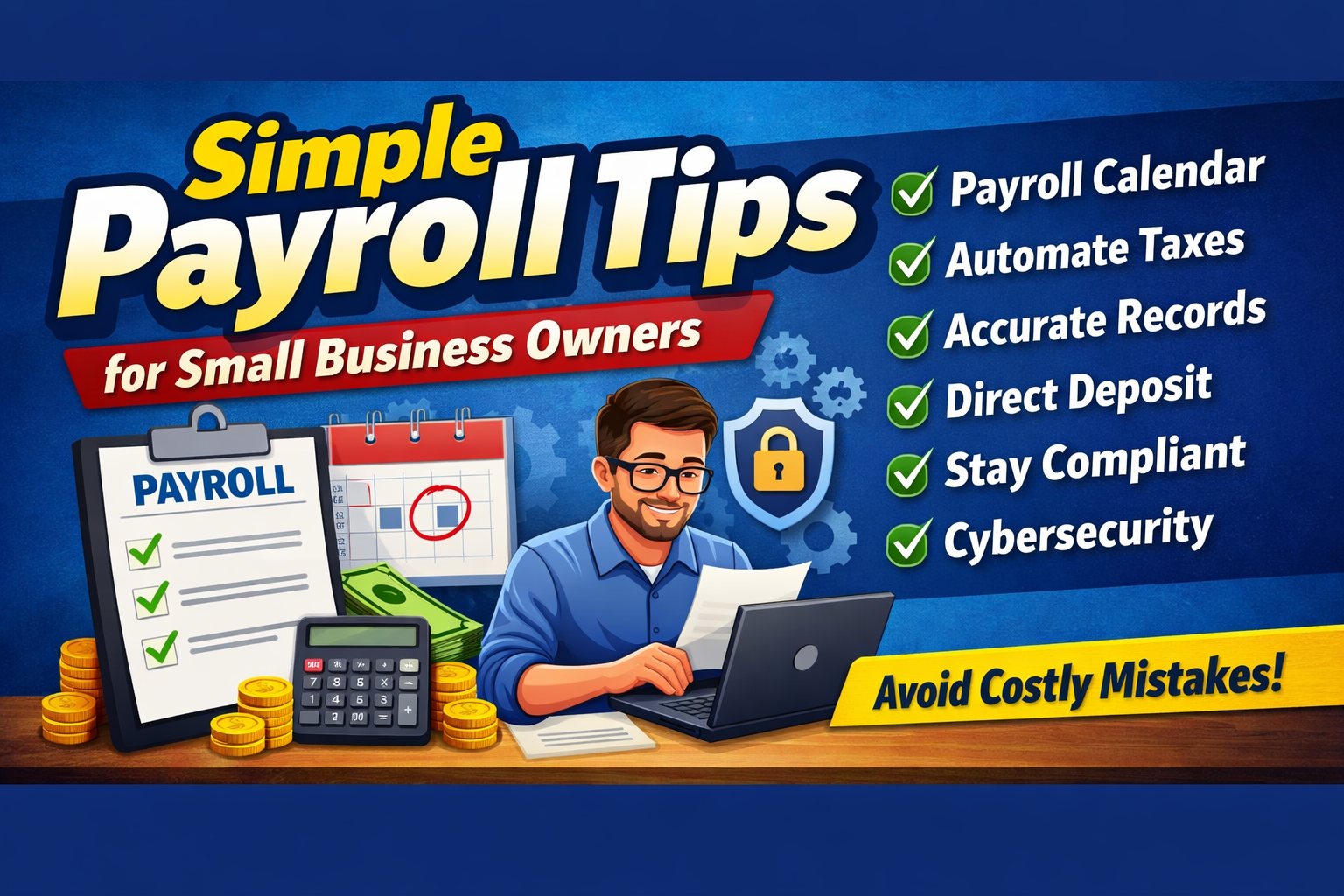
Introduction
Managing payroll is one of the most important but challenging responsibilities for small business owners. Payroll processing requires careful attention, accurate calculations, and strict adherence to payment schedules. Even a small payroll error can create a chain reaction of problems that affect employees, finances, and legal compliance. Without proper systems in place, it becomes easy to miss deadlines, make tax errors, or fail to follow employment regulations. This can eventually impact your company’s financial stability and reputation. To avoid these risks, many businesses rely on affordable payroll that simplify payroll management and automate important processes. Using modern payroll tools helps businesses reduce manual work, avoid costly mistakes, and stay updated with changing employment laws. Payroll automation can also improve efficiency and help small business owners focus more on growing their business rather than dealing with complex administrative tasks. Small payroll mistakes can lead to unhappy employees, government penalties, or even lawsuits. A single delayed salary payment can break employee trust, while incorrect tax reporting can trigger audits or fines. By following a structured payroll strategy and using the right tools, small business owners can keep payroll processes organized, accurate, and reliable. A consistent payroll system helps maintain employee trust, improves job satisfaction, and supports long-term business success.
Establish a Payroll Calendar
Setting up a payroll calendar helps small business owners maintain a reliable and organized pay schedule. A payroll calendar outlines all important payroll dates, including paydays, timesheet submission deadlines, and payroll processing timelines. Businesses may choose different pay schedules such as weekly, bi-weekly, or monthly payroll. Maintaining a consistent payroll schedule helps prevent missed payments and reduces confusion among employees. Ready-made payroll calendars can be downloaded from the website and customized according to your company’s payroll periods. Sharing the payroll calendar with employees at the beginning of the year ensures everyone knows when salaries will be processed and when timesheets need to be submitted. Planning payroll schedules in advance also helps businesses handle holidays or unexpected bank closures without causing payment delays.
Automate Tax Calculations
Tax rates and withholding tables change every year, making manual payroll calculations risky for busy business owners. Incorrect tax calculations can lead to underpayment penalties or excessive deductions that frustrate employees. Modern payroll software simplifies payroll processing by automatically calculating federal, state, and local tax deductions. These systems ensure accurate tax filings, timely tax payments, and proper tracking of employee deductions. Payroll automation also helps businesses manage additional payroll factors such as employee benefits, wage garnishments, and bonus payments in a single system. Automation tools reduce administrative work and simplify year-end reporting, allowing business owners to focus more on operations and growth instead of complicated tax rules.
Maintain Accurate Employee Records
Keeping employee records accurate and up to date is essential for payroll management and regulatory compliance. During employee onboarding, businesses should collect important information including personal details, tax forms, and banking information. Maintaining these records regularly ensures that payroll calculations remain accurate and compliant with government requirements. Employees should also be encouraged to update their records when their circumstances change, such as a new address, bank account update, or changes in tax withholding preferences. Using digital employee portals or HR software makes it easier to manage records securely. These systems allow information updates to automatically sync with payroll systems, reducing the risk of errors or miscommunication. Accurate records also help businesses provide proper documentation during financial audits or legal reviews.
Implement Direct Deposit
Direct deposit is one of the most secure and efficient ways to pay employees. Instead of issuing paper checks, payroll systems transfer funds directly to employees’ bank accounts.This approach offers several advantages for both employees and employers. Employees receive their salaries faster without needing to visit a bank, while employers reduce administrative tasks and printing costs.Direct deposit also reduces the risk of lost or stolen checks and improves overall payroll efficiency.In today’s digital work environment, employees expect faster and more convenient payment methods. Offering direct deposit improves employee satisfaction and demonstrates that your business uses modern payroll practices.
Stay Compliant with Regulations
Employment laws and payroll regulations change frequently, making compliance an ongoing responsibility for business owners.Failure to comply with wage laws, tax regulations, or overtime rules can lead to significant fines and legal problems. Businesses must follow requirements related to minimum wage laws, overtime payments, payroll taxes, and employee benefits. Staying informed about regulatory changes helps businesses avoid costly compliance issues. For official payroll compliance guidelines, business owners can consult the IRS small business page. Following official guidelines ensures your payroll practices remain compliant with current regulations and reduces the risk of penalties.
Invest in Cybersecurity
Payroll systems store sensitive employee information such as bank account numbers, personal identification details, and tax data. Because of this, payroll databases are often targeted by cybercriminals. Businesses must implement strong cybersecurity practices to protect payroll data from unauthorized access. Important security measures include using strong passwords, enabling multi-factor authentication, encrypting payroll data, and updating payroll software regularly. Employee training also plays a critical role in preventing security breaches. Staff members should learn how to recognize phishing emails and avoid sharing confidential information online. Protecting payroll data not only safeguards your business finances but also protects employees from identity theft and fraud.
Provide Employee Self-Service Options
Employee self-service payroll tools allow staff members to manage their payroll information independently through secure online portals or mobile applications. With these tools, employees can access pay stubs, download tax forms, update bank account information, and review salary details anytime. Self-service payroll systems reduce administrative workload for HR teams while improving transparency and convenience for employees. Employees appreciate having control over their payroll data, and this transparency strengthens trust between staff members and the company.By implementing self-service payroll platforms, businesses can improve efficiency and provide a better employee experience.
Regularly Review Payroll Processes
Continuous improvement is essential for maintaining payroll accuracy. As businesses grow and adopt new technologies, payroll systems should be reviewed regularly to ensure they remain efficient and compliant. Payroll reviews should include verifying payroll records, checking tax payments, and comparing payroll expenses with financial statements. Regular reviews help businesses detect errors, inefficiencies, or suspicious activities early before they become larger problems. Documenting payroll procedures and updates also makes it easier to train new employees and maintain consistent payroll practices within the organization. By adopting these simple payroll tips, small business owners can simplify payroll management, maintain employee satisfaction, and ensure compliance with evolving regulations. A proactive payroll strategy that includes automation, proper record management, and regular process reviews helps businesses create a secure and efficient payroll system. Ultimately, an effective payroll process becomes a valuable business asset that supports employee productivity, financial stability, and long-term organizational growth.