

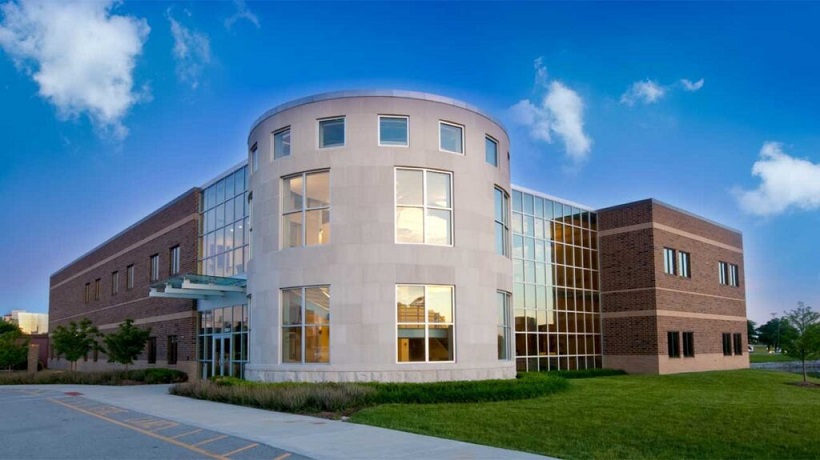
Addiction is a complex condition that affects the mind, body, and behavior. Whether it involves alcohol, prescription medications, or illicit substances, overcoming addiction often requires professional support. Indiana offers a variety of treatment centers specializing in comprehensive care for individuals seeking recovery. Professional indiana rehabs centers provide structured programs, medical supervision, and therapy options that cannot be replicated at home, making them essential for long-term success.
What Types of Addiction Treatments Are Available in Indiana?
Indiana rehab centers offer a broad spectrum of treatment options tailored to individual needs. Detox programs help patients safely manage withdrawal symptoms under medical supervision. Inpatient rehab provides 24-hour care in a structured environment, while outpatient programs allow patients to receive therapy and support while maintaining daily responsibilities. Specialized therapies, such as cognitive behavioral therapy (CBT), dialectical behavior therapy (DBT), and family counseling, target the psychological aspects of addiction. Some centers also provide holistic approaches, including mindfulness, yoga, and nutrition support, to treat the whole person.
How Do Indiana Rehabs Address Dual Diagnosis?
Many individuals struggling with addiction also face co-occurring mental health conditions such as depression, anxiety, or PTSD. Dual diagnosis treatment addresses both issues simultaneously, ensuring comprehensive care. Indiana rehab centers employ psychiatrists, psychologists, and licensed therapists to create individualized plans that target both addiction and mental health needs. Treating these conditions together increases the likelihood of lasting recovery and reduces the risk of relapse.
Why Is Detoxification an Important First Step?
Detoxification is often the first phase of rehab, particularly for substances that cause physical dependence. A medically supervised detox ensures patients manage withdrawal symptoms safely and comfortably. Indiana rehabs provide detox programs that monitor vital signs, administer medications if necessary, and offer emotional support during this challenging stage. Successfully completing detox sets the foundation for continued therapy and recovery.
What Makes Inpatient Rehab Effective in Indiana?
Inpatient rehab provides an immersive environment where patients can focus entirely on recovery. These programs remove access to triggers and provide round-the-clock support from trained staff. Structured schedules include therapy sessions, group counseling, educational workshops, and recreational activities designed to promote healthy routines. The supportive environment helps patients develop coping skills, build self-confidence, and strengthen commitment to sobriety.
How Do Outpatient Programs Support Ongoing Recovery?
Outpatient rehab offers flexibility for individuals balancing work, school, or family responsibilities. These programs provide regular therapy sessions, group support, and ongoing monitoring while allowing patients to live at home. Indiana outpatient programs often include individual counseling, group meetings, and skills-building workshops. This approach helps maintain accountability and reinforces strategies learned during inpatient treatment, supporting long-term recovery.
Which Therapies Are Most Common in Indiana Rehabs?
Evidence-based therapies are central to addiction treatment in Indiana. Cognitive behavioral therapy (CBT) helps patients recognize negative thought patterns and develop healthier coping mechanisms. Motivational interviewing (MI) encourages individuals to explore their motivations for change and strengthen commitment to recovery. Family therapy engages loved ones in the healing process, improving communication and rebuilding trust. Holistic therapies, such as art therapy, equine therapy, and meditation, complement traditional methods, promoting emotional healing and self-awareness.
Why Is Aftercare Planning Essential for Recovery?
Recovery does not end after completing a rehab program. Aftercare planning is critical to prevent relapse and maintain progress. Indiana rehabs provide personalized aftercare programs, including continued therapy, support groups, and sober living arrangements. These resources help individuals transition back into everyday life while maintaining accountability and access to support networks. Long-term aftercare ensures a higher likelihood of sustained sobriety.
How Do Rehab Centers Support Families During Treatment?
Addiction affects not only the individual but also their family and friends. Indiana rehab centers recognize the importance of family involvement in recovery. Family therapy sessions educate loved ones about addiction, teach coping strategies, and improve communication. Some centers offer family support groups and educational workshops to strengthen relationships and promote healing for the entire family unit.
What Role Do Support Groups Play in Indiana Recovery Programs?
Support groups provide an invaluable component of the recovery journey. Programs like 12-step groups, SMART Recovery, and peer-led meetings create a sense of community and shared understanding. Indiana rehab centers often integrate support group participation into treatment plans, allowing patients to connect with others facing similar challenges. The encouragement and accountability gained through these groups reinforce therapy and help prevent relapse.
How Do Rehab Centers Address Relapse Prevention?
Relapse is a common challenge in addiction recovery. Indiana rehabs emphasize relapse prevention through education, therapy, and ongoing support. Patients learn to identify triggers, manage cravings, and implement coping strategies. Regular check-ins, counseling sessions, and sober support networks provide ongoing guidance, helping individuals maintain sobriety long after leaving the program.
Why Is Personalized Treatment Important?
Every person’s experience with addiction is unique, and effective recovery requires a customized approach. Indiana rehab centers conduct thorough assessments to determine the best combination of therapies, medications, and support services. Personalized treatment ensures that interventions align with the patient’s specific needs, history, and goals, increasing the likelihood of successful long-term recovery.
What Should You Consider When Choosing an Indiana Rehab Center?
Selecting the right rehab center is a crucial step toward recovery. Factors to consider include licensing and accreditation, types of treatment offered, staff qualifications, and available support services. Location, cost, and insurance coverage may also influence decisions. Researching programs, reading reviews, and consulting with professionals can help individuals and families find a center that aligns with their recovery goals.
How Do Holistic Approaches Enhance Recovery?
Holistic treatments focus on healing the mind, body, and spirit. Indiana rehab centers often incorporate yoga, meditation, acupuncture, and nutritional guidance to support overall wellness. Exercise programs and creative therapies help reduce stress, improve mental health, and promote emotional resilience. Holistic approaches complement traditional therapies, providing a well-rounded recovery experience.
Why Is Community Support Vital in Recovery?
Community support plays a significant role in maintaining sobriety. Indiana rehab programs encourage participation in local recovery networks, sober events, and volunteer opportunities. Connecting with others who share similar experiences fosters accountability, reduces feelings of isolation, and strengthens motivation to remain substance-free. A supportive community reinforces the lessons learned in rehab and promotes lasting change.
What Steps Can You Take to Begin the Recovery Journey?
Taking the first step toward recovery can be daunting, but it is also life-changing. Contacting a trusted Indiana rehab center for a consultation is an important start. During this process, professionals assess the individual’s needs, recommend appropriate treatment options, and develop a plan for care. Early intervention increases the likelihood of successful outcomes and helps individuals regain control of their lives.
How Do Rehab Centers Measure Success?
Success in addiction treatment is measured by long-term sobriety, improved mental and physical health, and enhanced quality of life. Indiana rehab centers track progress through regular assessments, therapy participation, and patient feedback. Achieving milestones in treatment, developing coping skills, and maintaining recovery goals are key indicators of success, demonstrating the effectiveness of professional care.
Why Is Seeking Help Today Better Than Waiting?
Delaying treatment can worsen addiction, increase health risks, and strain relationships. Seeking help promptly gives individuals the opportunity to address addiction before it escalates. Indiana rehab centers provide immediate support, medical care, and structured programs to guide patients through recovery. Early intervention sets the stage for a healthier, more fulfilling life.
Indiana offers a diverse network of trusted rehab centers that provide comprehensive care for individuals struggling with addiction. Through detoxification, inpatient and outpatient programs, evidence-based therapies, holistic treatments, and robust aftercare, these centers support every stage of the recovery journey. Personalized care, family involvement, and community support ensure that patients have the tools they need to achieve lasting sobriety. By choosing professional addiction treatment in Indiana, individuals take a crucial step toward reclaiming their lives, restoring health, and building a foundation for a brighter future.