

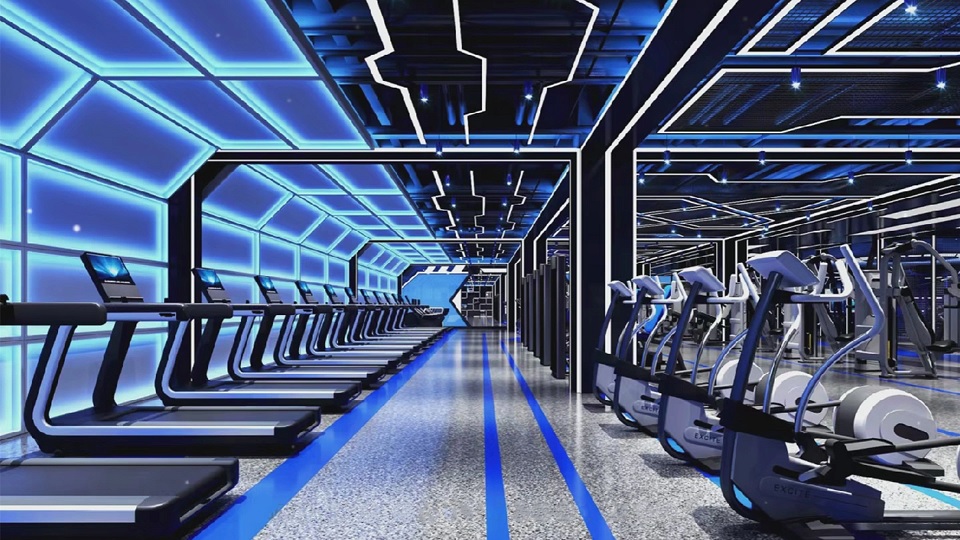
Commercial gyms are no longer just spaces with equipment—they are complex ecosystems where space, layout, equipment, and member flow interact to influence performance, satisfaction, and revenue. Statistical analysis of gym operations shows that a well-designed facility can significantly increase engagement, retention, and profitability. Conversely, poorly planned gyms often struggle with overcrowding, underutilized equipment, and decreased member satisfaction.
From a statistics blog perspective, commercial gym design is best approached as a measurable, data-driven process. By analyzing usage patterns, traffic flow, equipment utilization, and member preferences, gym owners can make informed design decisions that optimize both operational efficiency and fitness outcomes.
What Is Commercial Gym Design in Analytical Terms?
Commercial gym design refers to the strategic planning of space, equipment, and workflow to support diverse training goals while ensuring safety, accessibility, and engagement. Beyond aesthetics, design decisions impact measurable factors such as member throughput, injury risk, session duration, and equipment turnover.
Statistically, effective gym design balances spatial density with equipment availability. Each square meter, machine, and functional zone generates data that can inform predictive models for member usage, maintenance cycles, and overall operational efficiency.
How Does Space Planning Affect Member Flow and Usage?
Space planning is central to commercial gym design. Statistical heat maps of member movement reveal patterns in traffic flow, congestion points, and preferred workout zones.
Analysis shows that excessive clustering of equipment reduces utilization efficiency and increases wait times. Well-spaced layouts improve safety, encourage longer workouts, and maximize equipment engagement. From a data perspective, spatial metrics such as distance between stations, zone capacity, and circulation patterns directly influence member experience.
Why Is Zoning Important in Gym Design?
Zoning refers to organizing a gym into distinct functional areas, such as strength training, cardiovascular equipment, functional training, group fitness, and recovery zones. Usage statistics indicate that clear zoning improves member behavior, reduces conflicts, and enhances overall workout quality.
By allocating space according to predicted usage patterns, gyms can balance high-traffic areas with quieter zones. For example, placing cardio machines along exterior walls with natural light encourages longer sessions, while functional training areas with flexible space accommodate group activities and dynamic movement patterns.
How Does Equipment Placement Influence Engagement?
Equipment placement is a measurable factor in member engagement. Statistical studies of gym usage show that visibility, accessibility, and adjacency impact how frequently machines and stations are used.
Strategically placing popular machines near entry points or along main circulation paths increases utilization. Conversely, underutilized equipment may indicate poor visibility or inconvenient access. Data-driven placement ensures that each piece of equipment contributes to measurable performance outcomes and overall member satisfaction.
Why Are Circulation Patterns Critical for Safety and Efficiency?
Member movement patterns are more than logistical considerations—they affect safety, operational flow, and satisfaction. Statistical analysis of gym traffic reveals bottlenecks, collision points, and underused pathways.
Optimizing circulation ensures that members can transition smoothly between zones without congestion. Properly designed pathways reduce accident risk, facilitate emergency access, and enhance overall user experience. Data shows that facilities with well-planned circulation report fewer injuries and higher retention rates.
How Does Lighting and Environment Impact Member Behavior?
Environmental factors, including lighting, ventilation, and acoustics, influence usage patterns and performance. Statistical studies indicate that natural light, adjustable brightness, and air quality correlate with longer workout sessions and higher member satisfaction.
Temperature-controlled zones, soundproofed areas, and visually engaging layouts further support sustained engagement. Quantifying environmental impacts enables gyms to prioritize design elements that measurably improve member outcomes.
Why Is Accessibility a Measurable Design Factor?
Accessibility ensures that members of varying fitness levels, ages, and physical abilities can use gym spaces safely and effectively. Statistical research indicates that accessible equipment placement, wide pathways, and adaptive machines increase utilization among diverse populations.
Inclusive design reduces dropout rates and improves retention by accommodating all members. From a data perspective, accessibility metrics such as reach distances, clearance spaces, and equipment adjustability directly influence usage statistics.
How Do Technology Integrations Affect Design Efficiency?
Modern commercial gyms increasingly incorporate technology, including digital check-ins, performance tracking, virtual classes, and smart equipment. Usage data shows that technology-enabled zones often experience higher engagement and longer session durations.
Integrating technology into the layout requires careful design to prevent congestion and ensure visibility. Statistical analysis of usage patterns informs optimal placement of screens, stations, and interactive elements for maximal member benefit.
What Role Does Maintenance Planning Play in Design Decisions?
Equipment maintenance is a measurable factor that influences long-term operational efficiency. Statistical data on usage cycles, wear patterns, and repair frequency can guide placement and access considerations.
By designing zones that facilitate easy maintenance and monitoring, gyms reduce downtime and improve safety. Data-driven maintenance planning supports cost-effective operations while preserving member experience.
Why Is Flexibility Important in Commercial Gym Layouts?
Gym design must accommodate evolving trends, changing member demographics, and new equipment. Statistical studies indicate that flexible layouts with modular stations and adaptable spaces improve long-term utilization.
Flexibility allows for reallocation of space to accommodate group classes, seasonal programs, or emerging fitness trends. Data shows that gyms with adaptable designs report higher equipment turnover and better engagement metrics over time.
How Do Member Demographics Influence Design Decisions?
Understanding the statistical profile of a gym’s membership is essential for effective design. Age, fitness level, workout preference, and peak attendance hours all inform spatial allocation and equipment selection.
For instance, a gym with a younger demographic may prioritize high-intensity functional training areas, while a facility serving older members may emphasize low-impact cardiovascular equipment. Aligning design with demographic insights improves utilization rates and overall satisfaction.
What Are the Measurable Benefits of Optimized Gym Design?
Optimized commercial gym design produces quantifiable outcomes: increased equipment utilization, longer member sessions, higher retention rates, reduced injury incidents, and improved revenue per square meter. Statistical evidence supports that investment in strategic layout planning directly correlates with operational efficiency and member satisfaction.
By analyzing usage patterns, traffic flow, and engagement metrics, gyms can identify areas of improvement and validate design decisions with measurable outcomes.
How Does Safety Influence Design Metrics?
Safety is both a design principle and a measurable outcome. Statistical monitoring of incident reports, injury rates, and emergency access effectiveness informs layout adjustments.
Well-designed spaces reduce collisions, slips, and strain injuries. Safety metrics are closely tied to zoning, circulation, equipment spacing, and environmental conditions, making them essential indicators of design quality.
Why Is Aesthetic Design Important in Retention and Motivation?
Aesthetics may seem subjective, but research shows measurable correlations between visually appealing environments and member engagement. Bright colors, open layouts, clear signage, and visually distinct zones contribute to longer visits and higher attendance frequency.
Data indicates that members are more likely to explore diverse zones and maintain consistent workout habits in environments that are inviting and well-structured. Design choices thus influence both perception and measurable behavior.
How Do Emerging Trends Affect Commercial Gym Design?
Trends such as functional training, high-intensity interval training (HIIT), digital integration, and wellness-focused spaces impact design requirements. Statistical adoption rates show that gyms adapting to these trends experience higher membership growth and satisfaction.
Data-driven design incorporates flexibility, technology, and specialized zones to accommodate evolving preferences. Continuous analysis ensures that facility layout remains aligned with user behavior and market demands.
Why Is Commercial Gym Design a Strategic Investment?
Commercial gym design is more than aesthetics; it is a measurable investment in member experience, operational efficiency, and long-term revenue. Data-driven layout planning, zoning, equipment placement, and environmental optimization improve utilization, safety, and engagement.
By applying statistical insights to design, operators transform gym spaces into high-performance ecosystems. In an increasingly competitive fitness market, commercial gym design is not just a functional necessity—it is a strategic tool that directly influences measurable business and member outcomes.
Read More
Premium Pool Systems for Long-Lasting Performance and Comfort
Leadership That Lifts: Jonathan Mordechaev’s Inspiring Example of Community Empowerment