

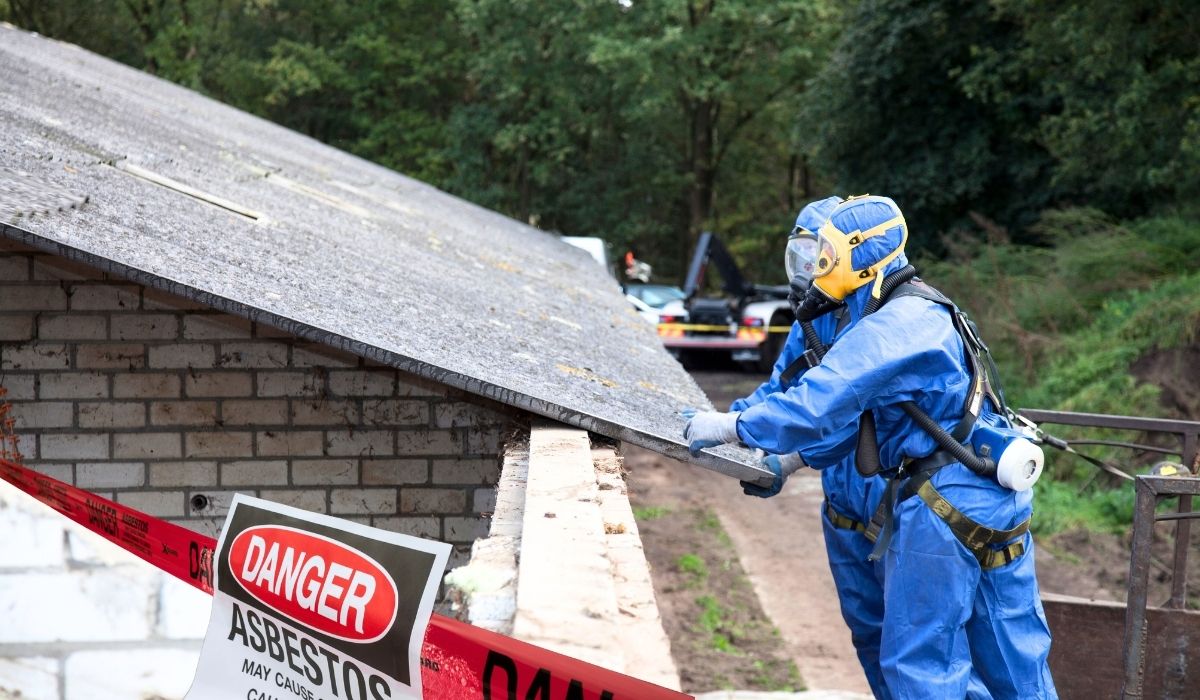
Asbestos, a naturally occurring mineral previously used extensively in construction, continues to pose serious health risks. Inhalation of asbestos fibers can lead to severe respiratory illnesses, including asbestosis, lung cancer, and mesothelioma. For homeowners, landlords, and commercial property managers, ensuring that a building is free from asbestos hazards is critical for health and regulatory compliance. Professional asbestos testing services provide accurate identification of asbestos-containing materials (ACMs), giving property owners reliable data to make informed safety decisions.
Statistics reveal that buildings constructed before the 1990s have a higher likelihood of containing ACMs. Research indicates that over 70% of properties from this era may include at least one type of asbestos material. Accurate testing is therefore essential for both residential and commercial properties, particularly those undergoing renovation, repair, or structural changes.
What Does Professional Asbestos Testing Include?
Professional asbestos testing is a comprehensive process designed to ensure precise identification and risk assessment. The typical procedure involves:
- Preliminary Assessment: Reviewing building history, construction materials, and prior reports to pinpoint high-risk areas.
- Visual Inspection: Examining ceilings, walls, insulation, roofs, flooring, and structural components for suspected ACMs.
- Sample Collection: Collecting samples safely using controlled methods to prevent fiber release.
- Laboratory Analysis: Sending samples to accredited labs for detailed identification of asbestos type and presence.
- Risk Assessment: Evaluating the condition of ACMs to determine their stability and likelihood of fiber release.
- Comprehensive Reporting: Providing detailed reports including laboratory results, images, location mapping, and clear recommendations for management, monitoring, or removal.
Studies show that professional asbestos testing achieves detection accuracy rates above 95%, ensuring that property owners receive reliable results for safe and compliant decision-making.
Also, Know about – Investing in Kitchen Remodeling in Moorpark, CA provides customized solutions for storage, lighting, and workflow improvements. Skilled professionals ensure precise installations, creating a stylish and functional kitchen that supports both daily cooking and entertaining needs.
How Do Professional Testing Services Protect Residents and Occupants?
The main purpose of asbestos testing is to prevent exposure to harmful fibers. In residential settings, testing protects homeowners, tenants, and contractors. In commercial properties, it safeguards employees, visitors, and maintenance personnel. Testing allows property owners to implement safety measures such as:
- Encapsulation of intact ACMs
- Licensed removal of high-risk asbestos materials
- Long-term monitoring of ACMs to prevent fiber release
Clearance testing shows that buildings having undergone routines asbestos testing have 80% less exposure incidents during renovations and maintenance when compared to buildings without any formal asbestos testing. Proper testing provides peace of mind during all activities, both normal and emergency, that other safety measures, like Fire Watch Guards, who monitor and mitigate onsite fire risks, testing provides. all of these measures build a better, safer space for workers and occupants.
Why Is Professional Expertise Critical in Asbestos Testing?
Accurate asbestos testing requires specialized knowledge and training. Certified professionals are skilled in identifying even subtle ACMs, collecting samples safely, and adhering to strict safety protocols. Improper handling increases exposure risks and may lead to regulatory penalties.
Research shows that accredited professionals have significantly lower error rates in asbestos detection and reporting than untrained personnel. Their expertise ensures reliable results, actionable recommendations, and compliance with health and safety regulations, which is essential for long-term property management.
What Types of Professional Asbestos Testing Are Available?
Property owners can choose between two main types of asbestos testing, depending on their needs:
- Management Testing: Non-intrusive inspections that identify ACMs in occupied buildings. This type of testing focuses on monitoring and safe maintenance rather than immediate removal. Management testing is ideal for ongoing safety and routine property upkeep.
- Refurbishment or Demolition Testing: Intrusive and detailed, conducted prior to renovations, structural modifications, or demolition. This testing ensures that all ACMs are identified and safely managed, preventing exposure during construction activities.
Statistics indicate that selecting the correct testing type reduces exposure risk and prevents costly delays. Management testing supports long-term safety, while refurbishment or demolition testing ensures compliance during construction and renovation.
How Can Testing Data Inform Risk Management Strategies?
Professional asbestos testing provides detailed data about the type, location, and condition of ACMs. Property managers and homeowners can use this information to:
- Prioritize remediation or removal activities
- Allocate budgets effectively for safety measures
- Implement monitoring programs for ongoing protection
- Strengthen internal safety audits and regulatory compliance
Studies show that properties with structured asbestos testing programs experience faster remediation, fewer compliance issues, and lower long-term health risks. Using testing data proactively allows property owners to make informed, strategic decisions rather than reacting to unexpected asbestos discoveries.
What Are the Legal and Financial Consequences of Ignoring Asbestos Testing?
Failing to conduct professional asbestos testing can have severe health, legal, and financial repercussions. Property owners are legally responsible for ensuring a safe environment, and accidental exposure may result in fines, lawsuits, and reputational damage.
Statistics reveal that properties without documented testing report higher incident rates and regulatory penalties. Professional testing mitigates these risks by providing verifiable evidence that asbestos hazards have been assessed and appropriately managed.
How Do Testing Services Support Long-Term Property Management?
Beyond immediate safety, testing data is crucial for long-term property management. Regular testing tracks ACM conditions, informs maintenance schedules, and guides renovation or expansion planning. By analyzing trends in asbestos degradation, property managers can plan interventions proactively, reducing costs and minimizing risks.
Research shows that properties with ongoing asbestos management programs experience fewer unplanned disruptions, lower long-term remediation expenses, and improved overall safety outcomes. Professional testing ensures that asbestos risks are continuously monitored and controlled.
What Should Property Owners Consider When Choosing a Testing Service?
Choosing the right testing provider is critical for accuracy, compliance, and safety. Property owners should consider:
- Accreditation: Ensure the provider is certified by recognized industry authorities.
- Experience: Providers with extensive experience are better equipped to detect hidden or less obvious ACMs.
- Comprehensive Reporting: Reports should include findings, laboratory results, images, risk assessments, and clear recommendations.
- Laboratory Verification: Samples must be analyzed in accredited laboratories to confirm asbestos presence and type.
Statistics indicate that accredited, experienced providers consistently deliver reliable results, reducing the likelihood of undetected ACMs and ensuring compliance with safety regulations.
How Do Professional Testing Results Enhance Workplace Safety and Compliance?
In commercial properties, asbestos testing is integral to workplace health and safety programs. Reports provide documented evidence of ACM locations and risk levels, enabling employers to implement safety protocols and staff training. Businesses that maintain regular testing demonstrate due diligence, reduce liability, and protect employees.
Research indicates that workplaces with structured asbestos management programs report fewer exposure incidents, lower compensation claims, and increased staff confidence. Professional testing provides measurable proof of proactive risk management and regulatory compliance.
What Are the Financial Benefits of Professional Asbestos Testing?
Although professional asbestos testing requires an initial investment, it often results in long-term savings. Early identification of ACMs prevents costly emergency remediation, reduces legal exposure, and allows for targeted interventions instead of broad, reactive removal.
Statistical analyses show that properties with proactive testing programs spend significantly less on asbestos management than those discovering ACMs during emergency situations. Investing in professional testing is therefore a cost-effective strategy that balances safety, compliance, and financial efficiency.
How Do Testing Reports Assist Renovation and Maintenance Planning?
Professional testing reports are vital for renovation and maintenance projects. By identifying ACMs and their condition, property owners can plan work safely, prevent accidental fiber release, and avoid project delays. This is particularly important in older homes and commercial buildings where hidden asbestos may pose significant challenges.
Studies show that integrating testing findings into renovation planning reduces asbestos-related incidents by up to 70%, enhancing safety and operational efficiency.
Conclusion: Are Professional Asbestos Testing Services Worth the Investment?
Professional asbestos testing is essential for ensuring health, safety, and regulatory compliance in both residential and commercial properties. By combining accredited expertise with statistically reliable methods, testing provides actionable insights that allow property owners to manage asbestos risks effectively.
For residential properties, testing safeguards homeowners, tenants, and contractors. For commercial properties, it protects employees, clients, and visitors while ensuring regulatory compliance. Investing in professional asbestos testing transforms potential hazards into manageable risks, supporting safety, legal compliance, and long-term property value.
Proactive asbestos testing empowers property owners to make informed, data-driven decisions, maintain safer environments, and minimize liability. Prioritizing accredited, professional services ensures that asbestos risks are accurately identified, assessed, and controlled, giving peace of mind for all occupants.
Read More
Techcarz com: Tech News, AI, Automotive Technology, Smart Devices & Future Innovations